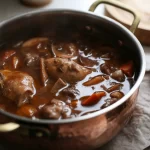
I’m obsessed with duck confit because it makes me forget about takeout. The skin crackles and renders into glossy amber fat while the meat falls apart like it can’t help itself.
I love the way rich duck legs deliver serious, unapologetic flavor. But it’s the duck fat that keeps me coming back, that slick, savory pool that promises crisp skin and sinful bites.
It’s indulgent, loud, and utterly worth it. Pure meat joy.
Yes, I said it. I crave the contrast of silky render against crisp exterior, the unapologetic richness that stains the plate.
Every single time. Relentless.
Always.
Ingredients

- Duck legs with thighs attached: the rich protein you’ll crave, crispy skin and super tender meat.
- Kosher salt: pulls moisture, seasons deep into the meat so it’s not bland.
- Granulated sugar: balances salt a touch, helps brown the skin a little.
- Garlic cloves, smashed: adds pungent warmth, it’s rustic and a little garlicky.
- Fresh thyme sprigs: herbal lift, not fussy, keeps the meat tasting bright.
- Bay leaves, torn: subtle earthy note, kind of old-school comfort seasoning.
- Whole black peppercorns: bold crunchy pops of pepper you’ll actually notice.
- Rendered duck fat, warmed: silky fat for cooking, makes everything insanely rich.
- Freshly ground black pepper: finishes the dish with a clean peppery bite.
- Chopped fresh parsley: bright green finish, cuts richness and looks pretty.
Ingredient Quantities
- 4 duck legs with thighs attached, about 2 to 2.5 pounds total
- 1/4 cup kosher salt
- 1 tablespoon granulated sugar
- 6 garlic cloves, smashed
- 6 fresh thyme sprigs
- 2 bay leaves, torn
- 1 tablespoon whole black peppercorns
- 2 cups rendered duck fat, warmed enough to pour (about 1 pound)
- 1 teaspoon black pepper, freshly ground
- 1 tablespoon chopped fresh parsley for finishing, optional
How to Make this
1. Pat the duck legs dry and place them skin side up on a tray or dish.
2. Mix the kosher salt and granulated sugar, then rub the mixture all over the duck legs, including under the skin where possible.
3. Scatter the smashed garlic, thyme sprigs, torn bay leaves, and whole black peppercorns over and under the legs. Cover and refrigerate for at least 8 hours or overnight to cure.
4. After curing, rinse the salt mixture thoroughly from the legs and pat the legs very dry with paper towels. Season lightly with the freshly ground black pepper.
5. Transfer the legs to a slow cooker in a single layer if possible, skin side up. Tuck any remaining garlic, thyme, bay leaves, and peppercorns among the legs.
6. Pour the warmed rendered duck fat over the legs until they are fully submerged.
7. Cook on LOW for 6 to 8 hours, or until the meat is very tender and easily pulls away from the bone.
8. Remove the legs from the fat and place them on a rack to drain and cool slightly. Reserve the fat for storage or other uses.
9. For serving, crisp the skin by placing the legs skin side down in a hot skillet or under a broiler for a few minutes until golden and crisp. Sprinkle with chopped fresh parsley if using and serve.
Equipment Needed
1. Slow cooker or crockpot
2. Rimmed baking sheet or tray (for curing)
3. Large mixing bowl and measuring cups and spoons
4. Sharp knife and cutting board
5. Paper towels
6. Fine mesh strainer or colander (for rinsing)
7. Heatproof ladle or large spoon (to pour fat)
8. Ovenproof rack with baking sheet or wire cooling rack (to drain)
9. Heavy skillet or broiler pan (to crisp skin)
10. Tongs or slotted spatula
FAQ
Duck Confit Recipe Substitutions and Variations
- Duck legs with thighs attached: Substitute bone-in, skin-on chicken thighs for a lighter, faster-cooking confit or use turkey legs for a meatier result; adjust cooking time as needed.
- Kosher salt: Substitute fine sea salt or table salt at about 3/4 the volume of kosher salt if using a finer grain, since table salt is denser.
- Rendered duck fat: Substitute rendered goose fat for a closer flavor match, or use pork schmaltz or clarified butter for a different but still rich finish.
- Fresh thyme sprigs: Substitute fresh rosemary or a mix of dried herbes de Provence for a herbaceous note; if using dried herbs, use about one third the amount by volume.
Pro Tips
– Resist the urge to skip the overnight cure. That salt and sugar do more than season, they pull moisture and intensify flavor so the meat finishes silky and richly flavored.
– After rinsing, dry the legs as well as you can. Any surface moisture will stop the skin from getting properly crisp later, and patting until the skin feels almost dry makes a big difference.
– Warm the fat so it pours easily but is not smoking. Cold fat will trap pockets of air and prevent even coverage, while overly hot fat can start to fry the surface instead of gently confiting the meat.
– When crisping at the end, pat the legs again and heat a heavy skillet until very hot. Press the skin down and leave it undisturbed until a deep golden crust forms. Alternatively use a broiler and watch closely to avoid burning.
– Save and strain the reserved fat. It keeps well in the fridge and is fantastic for roasting potatoes, sautéing greens, or making a savory vinaigrette, so label and reuse it within a few weeks.

4
servings
1400
kcal
Equipment: 1. Slow cooker or crockpot
2. Rimmed baking sheet or tray (for curing)
3. Large mixing bowl and measuring cups and spoons
4. Sharp knife and cutting board
5. Paper towels
6. Fine mesh strainer or colander (for rinsing)
7. Heatproof ladle or large spoon (to pour fat)
8. Ovenproof rack with baking sheet or wire cooling rack (to drain)
9. Heavy skillet or broiler pan (to crisp skin)
10. Tongs or slotted spatula
Ingredients
-
4 duck legs with thighs attached, about 2 to 2.5 pounds total
-
1/4 cup kosher salt
-
1 tablespoon granulated sugar
-
6 garlic cloves, smashed
-
6 fresh thyme sprigs
-
2 bay leaves, torn
-
1 tablespoon whole black peppercorns
-
2 cups rendered duck fat, warmed enough to pour (about 1 pound)
-
1 teaspoon black pepper, freshly ground
-
1 tablespoon chopped fresh parsley for finishing, optional
Directions
- Pat the duck legs dry and place them skin side up on a tray or dish.
- Mix the kosher salt and granulated sugar, then rub the mixture all over the duck legs, including under the skin where possible.
- Scatter the smashed garlic, thyme sprigs, torn bay leaves, and whole black peppercorns over and under the legs. Cover and refrigerate for at least 8 hours or overnight to cure.
- After curing, rinse the salt mixture thoroughly from the legs and pat the legs very dry with paper towels. Season lightly with the freshly ground black pepper.
- Transfer the legs to a slow cooker in a single layer if possible, skin side up. Tuck any remaining garlic, thyme, bay leaves, and peppercorns among the legs.
- Pour the warmed rendered duck fat over the legs until they are fully submerged.
- Cook on LOW for 6 to 8 hours, or until the meat is very tender and easily pulls away from the bone.
- Remove the legs from the fat and place them on a rack to drain and cool slightly. Reserve the fat for storage or other uses.
- For serving, crisp the skin by placing the legs skin side down in a hot skillet or under a broiler for a few minutes until golden and crisp. Sprinkle with chopped fresh parsley if using and serve.
Notes
- Below you’ll find my best estimate of this recipe’s nutrition facts. Treat the numbers as a guide rather than a rule—great food should nourish both body and spirit. Figures are approximate, and the website owner assumes no liability for any inaccuracies in this recipe.
Nutrition Facts
- Serving Size: 300g
- Total number of serves: 4
- Calories: 1400kcal
- Fat: 149g
- Saturated Fat: 40g
- Trans Fat: 0.5g
- Polyunsaturated: 20g
- Monounsaturated: 80g
- Cholesterol: 150mg
- Sodium: 5850mg
- Potassium: 540mg
- Carbohydrates: 4g
- Fiber: 0.5g
- Sugar: 3g
- Protein: 45g
- Vitamin A: 200IU
- Vitamin C: 2mg
- Calcium: 30mg
- Iron: 4.8mg